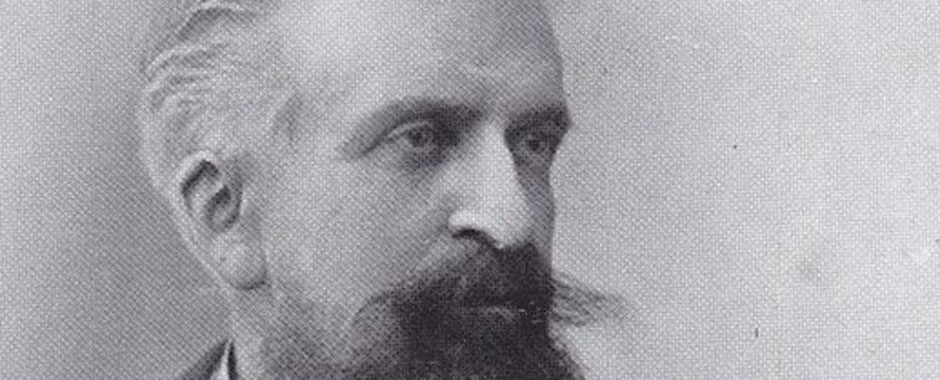
In the late-19th century, intellectuals began probing the depths of the human mind, trying to account for consciousness, and what, at the foundation of our collective existence, motivates human beings to think and behave in the ways in which we do. While Sigmund Freud and his colleagues in the Vienna school of psychology were exploring the philosophical implications of the human sub-conscious, others such as Gustave Le Bon were examining the connections between group psychology and mass society. The following is an excerpt from Le Bon’s 1895 study, The Crowd: A Study of the Popular Mind:
It is not easy to say as yet what will one day be evolved from this necessarily somewhat chaotic period. What will be the fundamental ideas on which the societies that are to succeed our own will be built up? We do not at present know. Still it is already clear that on whatever lines the societies of the future are organised, they will have to count with a new power, with the last surviving sovereign force of modern times, the power of crowds. On the ruins of so many ideas formerly considered beyond discussion, and to-day decayed or decaying, of so many sources of authority that successive revolutions have destroyed, this power, which alone has arisen in their stead, seems soon destined to absorb the others. While all our ancient beliefs are tottering and disappearing, while the old pillars of society are giving way one by one, the power of the crowd is the only force that nothing menaces, and of which the prestige is continually on the increase. The age we are about to enter will in truth be the ERA OF CROWDS.