
Wine and Identity in Interwar Italy
Project Overview
As one of only a few uninterrupted practices between the ancient and modern Mediterranean worlds, viti-viniculture is commonly identified, by both contemporary winegrowers and consumers alike, as one of Italy's "living heritages." Grape vine cultivation and winemaking appear to many as a static agro-cultural continuity between the Italy of the Caesars and the Italy we know and love today. This slippage between the wines of antiquity and those of modern industrial-scale producers is systematically exploited by many contemporary winemakers. Any casual glance at a modern Italian wine label illuminates the highly selective histories and traditions many producers and merchants purposefully highlight in marketing their wines. Invariably, none of these histories include the Ventennio nero (the "black decades" of Fascism) during which, my monograph-in-progress demonstrates, so much of the industrial and commercial foundations of Italian winemaking, as well as the socio-cultural framework for "Italian" identity, were firmly established.
During the interwar years, Italy's Industrial Wine Lobby (IWL)—a small but influential group of pro-fascist luxury winegrowers, merchants, and industrialists—worked feverishly to rehabilitate the beverage's downtrodden public image. Due to decreasing wholesale prices and rising wages, the popular classes had gradually become, in the anxious words of one contemporary, "the great mass of drinkers in Italy." Wine's various roles in the 1919 cost-of-living riots and subsequent violent clashes between labor union leaders and Benito Mussolini's squadristi served in reinforcing the beverage's associations with physical and moral degeneration among the laboring masses. In response, Fascist Italy's pro-wine lobbyists launched wide-ranging public relations and collective marketing campaigns designed to recontextualize the peninsula's typical wines as the country's hygienic, family-friendly "national beverages."
My research engages with scholarly debates regarding the contributions made by the fascist regime's nationalization and mass mobilization campaigns within the construction of a shared sense of italianità (Italianness) during the interwar decades. The Duce's regime mobilized the Italian masses towards the formation of a "new order," intended to stimulate a widespread feeling of collective belonging. Scholarly research has largely overlooked the influential roles played by intermediating agents, groups, and organizations, such as the IWL, in shaping the foundations of a distinctly Italian national consciousness during the 1920s and 1930s. This study intends to significantly expand upon our understanding of the complex dynamics of political agency and culture-shaping power in Fascist Italy.
Project Publications
Monograph
- Cultivating Fascism: Wine, Politics, and Identity in Mussolini's Italy (in progress)
Articles
- "Bacchus among the Blackshirts: Wine Making, Consumerism and Identity in Fascist Italy, 1919–1937," Contemporary European History 29:4 (November 2020): 394-415
- “Under the Influence: Temperance, Winemaking, and the ‘Battle’ over Working-Class Consciousness in Mussolini's Italy” (under review)
- "'He Who Drinks Wine Never Dies': Wine, Beer, and the Battle over ‘Italian’ Taste and Style in Fascist Italy" (in progress)
Chapters
- “(Inter)National Spirits: On the Cultural Politics of the 'Cocktail Craze' in Fascist Italy, 1920s-1930s,” in David Inglis and Hang Kei Ho, eds., Drinks in Vogue: Exploring the Changing Worlds of Fashions and Beverages (New York: Routledge, 2024)
Project Images
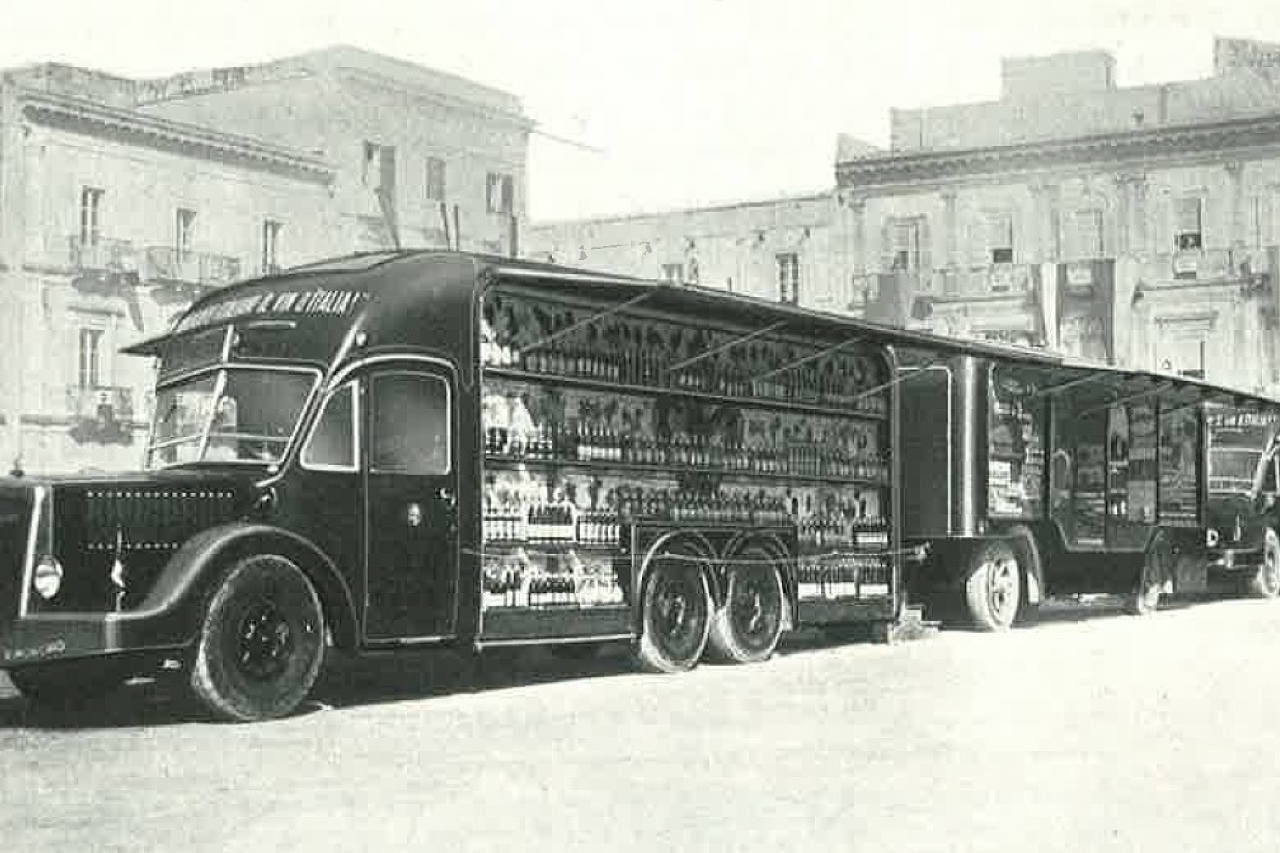


Description
A multi-publication research project on the relationship between industrial-scale winemaking, the totalitarian politics of the Duce’s twenty-year dictatorship, and the formation of a shared sense of “italianità” (Italianness) in Italy during the 1920s and 1930s.